Professional IBC Tank Recycling
Sustainable Solutions for End-of-Life IBC Containers - Protecting Our Planet Through Responsible Recycling
Schedule Your IBC Tank Recycling Pickup
Leading the Way in Sustainable IBC Tank Recycling
At Boston IBC Tanks, we are committed to environmental stewardship and sustainable business practices. Our comprehensive IBC tank recycling program ensures that end-of-life containers are processed responsibly, diverting thousands of pounds of valuable materials from landfills each year. When your IBC tanks have reached the end of their usable life, trust our expert team to handle their disposal in an environmentally conscious and compliant manner.
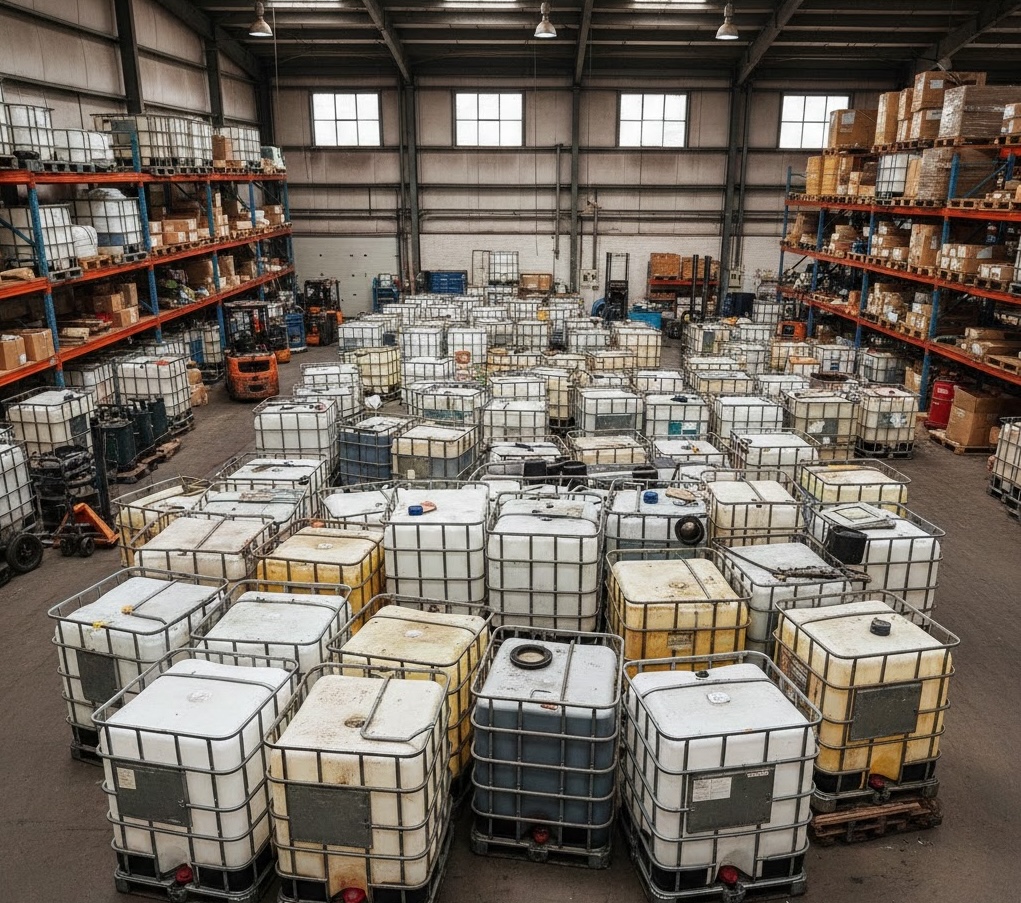
Eco-Friendly Recycling Solutions
Our comprehensive recycling program ensures that end-of-life IBC tanks are processed responsibly. We recover valuable materials and prevent waste from entering landfills.
- 500+ tons diverted annually
- Full material recovery
- Certified documentation
Environmental Benefits of IBC Tank Recycling
Reduce Landfill Waste
Each IBC tank contains significant amounts of plastic, metal, and wood. By recycling these containers, we prevent hundreds of pounds of material from entering landfills. Our recycling program has diverted over 500 tons of waste from landfills annually, making a measurable impact on environmental conservation.
Conserve Natural Resources
Recycling IBC tanks reduces the need for virgin materials. Each recycled HDPE bottle saves approximately 5.7 pounds of CO2 emissions compared to manufacturing from raw materials. By recovering and reprocessing materials, we help conserve petroleum, iron ore, and timber resources for future generations.
Lower Carbon Footprint
Manufacturing products from recycled materials requires significantly less energy than producing them from raw materials. Recycling HDPE plastic uses 88% less energy than creating new plastic. Our recycling process helps reduce greenhouse gas emissions and combat climate change.
Support Circular Economy
We believe in the circular economy model where materials are kept in use for as long as possible. Materials recovered from recycled IBC tanks are transformed into new products, including construction materials, automotive parts, new containers, and consumer goods, completing the sustainability loop.
Protect Water and Soil
Improper disposal of IBC tanks can lead to contamination of soil and groundwater. Our professional recycling process ensures that any residual chemicals are handled safely and that no harmful substances leach into the environment, protecting local ecosystems and water supplies.
Meet Corporate Sustainability Goals
Partner with us to enhance your company's environmental credentials. Our recycling services help you meet sustainability targets, reduce your environmental impact, and demonstrate corporate social responsibility to stakeholders, customers, and regulatory bodies.
Materials We Recycle from IBC Tanks
Each IBC tank is composed of multiple materials, all of which can be recycled and repurposed. Our comprehensive recycling process ensures maximum material recovery and minimal waste.
HDPE Plastic Bottles
Weight per unit: Approximately 12-15 pounds
Recycling Process:
- Bottles are thoroughly cleaned and decontaminated
- Plastic is shredded into small flakes
- Material is washed and separated from contaminants
- Flakes are melted and formed into pellets
- Pellets are sold to manufacturers for new products
New Products:
- New plastic containers and bottles
- Plastic lumber for decking and fencing
- Automotive parts and components
- Pipes and drainage systems
- Storage bins and crates
- Recycling containers and trash bins
Steel Cages and Frames
Weight per unit: Approximately 35-40 pounds
Recycling Process:
- Steel frames are separated from other components
- Metal is sorted and graded by type
- Material is sent to scrap metal facilities
- Steel is melted in furnaces at over 2,500°F
- Molten steel is reformed into new products
New Products:
- Construction steel beams and rebar
- New IBC tank frames and cages
- Automotive frames and body parts
- Appliances and machinery components
- Food and beverage cans
- Tools and hardware
Environmental Note: Steel is 100% recyclable and can be recycled indefinitely without loss of quality. Recycling steel saves 60% of the energy required to produce steel from iron ore.
Wood Pallets
Weight per unit: Approximately 30-35 pounds
Recycling Process:
- Pallets are inspected for contamination
- Usable pallets are refurbished and resold
- Damaged pallets are broken down
- Wood is processed into chips or mulch
- Material is used for various applications
New Products:
- Mulch for landscaping and gardens
- Biomass fuel for energy production
- Particle board and composite wood products
- Animal bedding for farms and stables
- Compost and soil amendments
- Wood fiber for paper production
Additional Components
Valves and Fittings:
- Plastic valves are recycled with HDPE materials
- Metal components are processed with steel recycling
- Rubber gaskets are sent to specialized rubber recyclers
Caps and Lids:
- Plastic caps are sorted by resin type
- Materials are recycled according to plastic grade
- Reprocessed into new plastic products
Our Comprehensive Recycling Process
We follow a rigorous, multi-step process to ensure maximum material recovery while maintaining the highest environmental and safety standards.
Initial Assessment and Collection
Our team evaluates your IBC tanks to determine their contents, condition, and recycling requirements. We schedule convenient pickup times and provide proper documentation for your records. All tanks are logged into our tracking system for complete transparency.
Safe Transportation
Tanks are carefully loaded onto our specialized vehicles and transported to our recycling facility. We use certified carriers and follow all DOT regulations for hazardous material transport when applicable. GPS tracking ensures secure delivery.
Decontamination and Cleaning
Upon arrival, tanks undergo thorough cleaning to remove any residual contents. Our industrial cleaning system uses hot water, steam, and approved cleaning agents to ensure complete decontamination. All wastewater is treated according to environmental regulations before discharge.
Disassembly and Sorting
Trained technicians carefully disassemble each IBC tank, separating it into its component materials. HDPE bottles, steel cages, and wood pallets are sorted into separate streams. Valves, caps, and other accessories are removed and categorized appropriately.
Material Processing
Each material type is processed according to industry best practices:
- Plastics: Shredded, washed, and converted to pellets
- Metals: Compacted and prepared for smelting
- Wood: Chipped or ground for various applications
Quality Control
Processed materials undergo quality testing to ensure they meet industry specifications for recycled content. Samples are analyzed for purity, contamination levels, and physical properties. Only materials meeting our strict standards proceed to market.
Distribution to Manufacturers
Recycled materials are sold to vetted manufacturers who transform them into new products. We maintain relationships with over 50 manufacturers across various industries, ensuring steady demand for our recycled materials and closing the loop on the circular economy.
Documentation and Reporting
We provide comprehensive recycling reports including weights, material types, and environmental impact data. Certificates of recycling are issued for your records, helping you document sustainability efforts for audits, reports, and certifications.
Why Choose Professional IBC Tank Recycling
Regulatory Compliance
Navigate complex environmental regulations with confidence. We ensure full compliance with EPA, OSHA, DOT, and state regulations. Avoid costly fines and legal issues by trusting professionals who understand the regulatory landscape.
Safety First
IBC tank recycling can involve hazardous materials and heavy equipment. Our trained professionals follow strict safety protocols, use proper personal protective equipment, and maintain comprehensive insurance coverage to protect your business from liability.
Environmental Protection
DIY disposal often leads to improper handling and environmental contamination. Professional recycling ensures that all materials are processed correctly, residual chemicals are disposed of safely, and nothing harmful enters the environment.
Maximum Material Recovery
Our specialized equipment and expertise allow us to recover more materials than typical disposal methods. We achieve recovery rates of over 95%, ensuring minimal waste and maximum environmental benefit from each tank recycled.
Time and Cost Efficiency
Attempting to handle IBC tank disposal in-house requires equipment, space, labor, and expertise that most businesses don't have. Outsourcing to professionals saves time, reduces costs, and allows you to focus on your core business operations.
Proper Documentation
Maintain complete records for regulatory compliance, audits, and sustainability reporting. We provide detailed documentation including manifests, certificates of recycling, weight tickets, and environmental impact reports.
Prevent Illegal Dumping
Illegal dumping of IBC tanks carries severe penalties including fines up to $250,000 and potential criminal charges. Professional recycling ensures proper disposal channels, protecting you from legal and financial consequences.
Support Local Economy
Our recycling operations support local jobs and businesses. Materials are processed in regional facilities, reducing transportation emissions and supporting the local economy while promoting sustainable practices in your community.
Brand Reputation
Demonstrate your commitment to environmental responsibility. Using professional recycling services enhances your brand image, appeals to environmentally conscious customers, and differentiates your business in the marketplace.
Compliance and Certifications
We maintain the highest standards of environmental compliance and hold certifications from leading industry organizations. Our commitment to regulatory excellence protects your business and the environment.
EPA Compliance
Full adherence to Environmental Protection Agency regulations including:
- Resource Conservation and Recovery Act (RCRA)
- Clean Water Act standards for wastewater discharge
- Clean Air Act emission requirements
- Toxic Substances Control Act (TSCA) compliance
- Proper handling and documentation of universal waste
OSHA Safety Standards
Comprehensive safety programs meeting Occupational Safety and Health Administration requirements:
- Hazard Communication Standard (HCS) compliance
- Personal Protective Equipment (PPE) programs
- Hazardous waste operations training (HAZWOPER)
- Regular safety audits and inspections
- Emergency response procedures
DOT Transportation
Department of Transportation certified carriers and procedures:
- Hazardous materials transportation certification
- Proper placarding and labeling
- Driver training and certification
- Vehicle maintenance and inspection programs
- Shipping paper and manifest requirements
State and Local Permits
Current permits and licenses for all operating locations:
- Solid waste facility permits
- Air quality permits
- Wastewater discharge permits
- Business and operational licenses
- Local zoning and land use approvals
Industry Certifications
Recognition from leading environmental and industry organizations:
- ISO 14001 Environmental Management System
- R2 (Responsible Recycling) Certification
- RIOS (Recycling Industry Operating Standard)
- Association of Plastic Recyclers (APR) membership
- Institute of Scrap Recycling Industries (ISRI) membership
Quality Assurance
Rigorous quality control systems ensuring consistent results:
- Third-party audits and inspections
- Material testing and analysis
- Process documentation and traceability
- Continuous improvement programs
- Customer satisfaction monitoring
Audit Support: We provide comprehensive documentation and support for your environmental audits, sustainability reporting, and compliance verification. Our team is available to answer questions and provide evidence of proper recycling practices.
Frequently Asked Questions About IBC Tank Recycling
What types of IBC tanks can you recycle?
All standard 275- and 330-gallon IBCs, including those that held food-grade, chemical, pharmaceutical, or industrial liquids. Tanks with non-rinsable or highly hazardous contents may require special handling—contact us for guidance.
Do the tanks need to be empty before recycling?
Yes. Tanks should be drained; small residue (<1 gallon) is acceptable. If significant liquid or hazardous materials remain, we can arrange special disposal services at additional cost.
How much does IBC tank recycling cost?
Pricing depends on quantity, prior contents, location, and market conditions for recycled materials. Volume discounts available; sometimes we pay for tanks when scrap prices are strong. Request a tailored quote.
What documentation will I receive?
Pickup receipts, weight tickets, certificates of recycling, processing reports, and environmental impact summaries with material weights, dates, and facility info for audits and sustainability reporting.
How quickly can you pick up our tanks?
Typically within 5-7 business days. We can often expedite for urgent needs or large volumes. One-time or recurring pickups are available.
What happens to tanks that held hazardous materials?
They require specialized decontamination per EPA RCRA guidelines: multiple wash cycles, contamination testing, and proper wastewater disposal. Additional documentation is provided for compliance.
Can damaged or broken tanks be recycled?
Yes. Cracked bottles, dented cages, and broken pallets are separated and processed; even severely damaged tanks are recyclable for material recovery.
Is there a minimum quantity required?
No. We accept single tanks up to truckloads. Single tanks can be coordinated with other pickups; 10+ tanks receive priority scheduling and volume discounts.
How does recycling compare to landfill disposal?
Recycling prevents long-term landfill waste, recovers materials, reduces GHG emissions by ~60-88%, conserves resources, and is often cheaper than landfill disposal.
What are your facility's environmental credentials?
We operate under strict permits, maintain ISO 14001 EMS certification, perform regular audits, and monitor air/water quality with recognized pollution prevention achievements.
Can we tour your recycling facility?
Yes. Tours are available to see processing, meet the team, and gather info for sustainability reports or stakeholder communications.
Do you offer recurring pickup services?
Yes. We customize recurring schedules (weekly, monthly, quarterly, or as needed) with preferred pricing, priority scheduling, and streamlined documentation.
What happens to the recycled materials?
HDPE becomes new containers, pipe, plastic lumber; steel becomes new cages/industrial goods; wood pallets become mulch/biomass/composite products. We work with vetted downstream processors to ensure actual recycling.
How can recycling help our company's sustainability goals?
It boosts waste diversion, lowers carbon footprint, supports circular economy, and conserves resources. We provide impact reports (tons diverted, CO2 avoided, energy saved, materials recovered) for sustainability reporting.
What if we're not sure what was stored in the tanks?
We can test to identify contents and determine handling. Visual/odor checks may help; unknowns are handled with hazmat protocols. Share any history you have for safe processing.
Your Recycling Impact
See the environmental benefits of recycling IBC tanks versus landfill disposal.
Per Tank Recycled
For 100 Tanks Recycled
Annual Impact (500 tanks)
Request an Environmental Impact Report: We provide detailed sustainability reports for your recycled tanks that you can use for corporate sustainability reporting, ESG disclosures, and marketing communications.
Recycling vs. Other Disposal Options
Compare professional recycling with other ways to dispose of end-of-life IBC tanks.
| Factor | Professional Recycling | Landfill Disposal | DIY Disassembly | Abandonment |
|---|---|---|---|---|
| Environmental Impact | Minimal - materials reused | High - 500+ year decomposition | Variable - depends on handling | Severe - contamination risk |
| Legal Compliance | Full documentation provided | May violate hazmat rules | Often non-compliant | Illegal - fines possible |
| Cost | Free to low cost (often paid) | $50-150 per tank | Time + disposal fees | Potential fines $1,000+ |
| Documentation | Full chain of custody | Basic receipt only | None | None |
| Liability | Transferred to recycler | Partial transfer | Remains with you | Full liability retained |
| Effort Required | Minimal - we handle pickup | Transport to landfill | Significant labor | None (but not recommended) |
Industries We Serve for Recycling
We provide recycling services to businesses across all industries that use IBC tanks.
Food & Beverage
We properly clean and recycle tanks that held syrups, juices, oils, flavorings, and other food products. Strict protocols ensure food-grade tanks are processed separately.
- Food-safe cleaning processes
- FDA compliance documentation
- Organic certification support
Chemical Manufacturing
Hazardous and non-hazardous chemical containers recycled with proper safety protocols, decontamination, and regulatory compliance.
- Hazmat handling certified
- EPA compliant processes
- Complete manifesting
Pharmaceutical
Pharmaceutical-grade recycling with enhanced documentation, lot tracking, and destruction certificates for controlled substance containers.
- Chain of custody tracking
- Destruction certificates
- cGMP compliant handling
Agriculture
Fertilizer, pesticide, and agricultural chemical containers recycled following EPA Container Handling Guidelines and state agricultural regulations.
- Triple-rinse verification
- Agricultural exemption compliance
- Seasonal volume handling
Automotive & Industrial
Used oil, coolant, and industrial fluid containers properly drained, cleaned, and recycled with appropriate documentation.
- Used oil management
- Coolant recycling coordination
- Industrial fluid handling
Water Treatment
Treatment chemical containers, including chlorine and pH adjustment chemicals, recycled with proper neutralization and safety protocols.
- Chemical neutralization
- Municipal compliance support
- Utility documentation
Recycling Program Options
Choose the recycling program that best fits your business needs.
One-Time Pickup
Best for: Facility closures, equipment upgrades, cleanouts
- Single pickup of any quantity
- Flexible scheduling
- No minimum quantities
- Full documentation provided
- Payment for tanks in good condition
Pricing: Varies by quantity and condition
Scheduled Service
Best for: Ongoing operations with regular empty tanks
- Weekly, monthly, or quarterly pickups
- Priority scheduling
- Dedicated account manager
- Volume pricing discounts
- Annual sustainability reports
Pricing: 10-20% better than one-time rates
Drop-Off Service
Best for: Small quantities, nearby businesses
- Bring tanks to our facility
- No pickup fees
- Same-day processing
- Immediate documentation
- Best per-tank pricing
Pricing: Highest payout for your tanks
Zero-Waste Partnership
Best for: Companies with sustainability commitments
- Comprehensive waste stream analysis
- Custom recycling solutions
- Quarterly impact reports
- Sustainability certification support
- Marketing co-branding opportunities
Pricing: Custom partnership pricing
What Our Recycling Partners Say
"We generate 30-40 empty IBCs per month from our chemical distribution operation. Boston IBC Tanks has been picking them up on schedule for two years now. The documentation they provide makes our EPA reporting simple, and we actually make money on tanks that used to cost us to dispose of."
"When we closed our manufacturing facility, we had over 200 IBC tanks to dispose of. Most waste companies wanted $75-100 per tank. Boston IBC Tanks not only picked them up for free, they paid us for tanks in good condition. Saved us over $15,000."
"Our sustainability team needed verifiable recycling documentation for our annual ESG report. Boston IBC Tanks provided detailed chain-of-custody records and environmental impact data that our auditors accepted without question. Professional service all around."
Ready to Recycle Your IBC Tanks Responsibly?
Join hundreds of businesses choosing sustainable disposal solutions. Our expert team is ready to handle your IBC tank recycling needs with professionalism, compliance, and environmental care. Make the responsible choice for your business and the planet.
Free quotes available. Volume discounts offered. Same-week pickup available in most areas.